Maximizing Efficiency in Air Cargo Shipping: A Comprehensive Guide to Shipping Centers, Transportation, and Airport Logistics
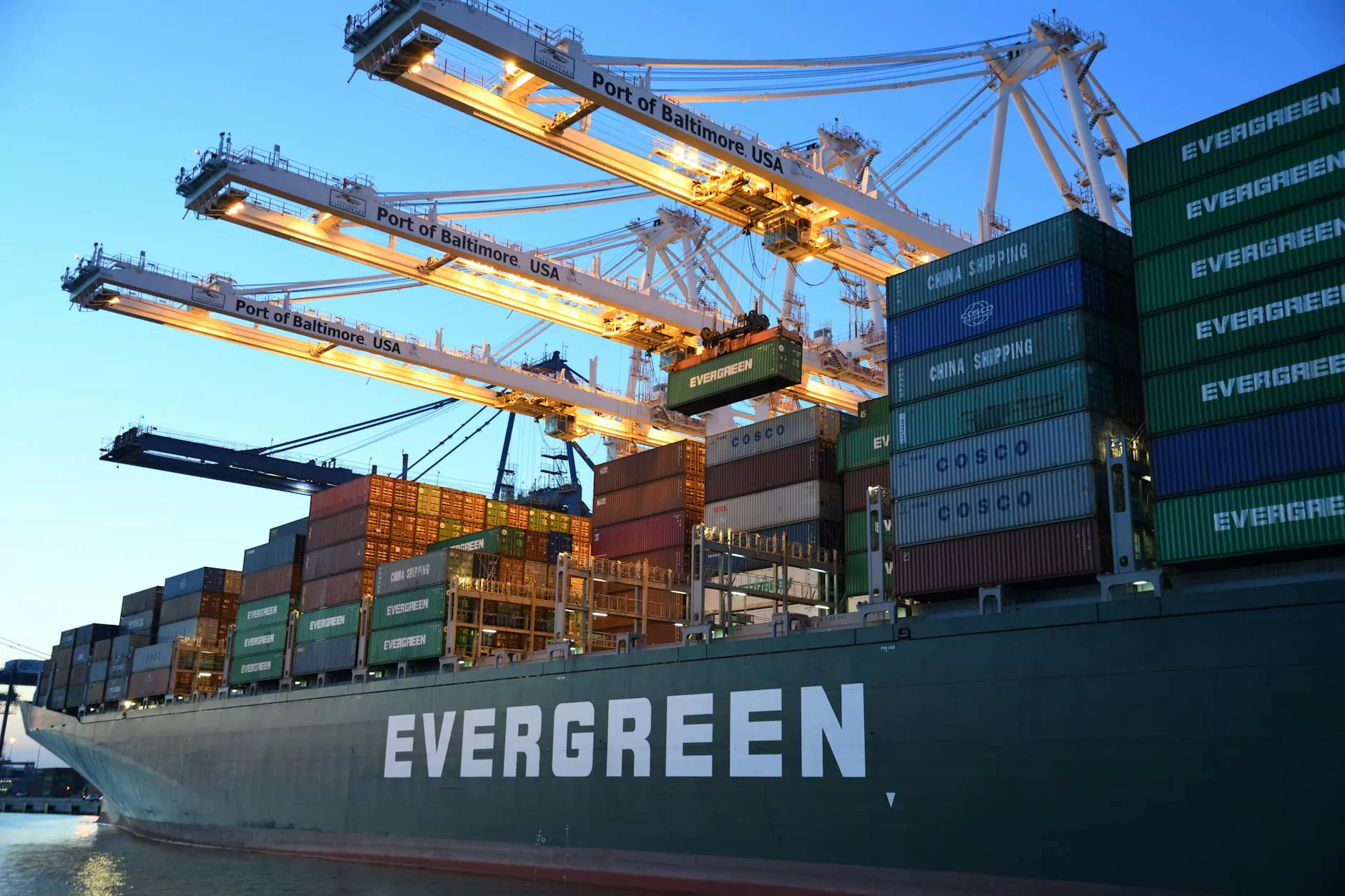
In the rapidly evolving world of global commerce, air cargo shipping stands as a cornerstone of international trade, offering unmatched speed and reliability for transporting goods across continents. For businesses seeking to optimize their logistics operations, understanding the nuances of shipping centers, transportation networks, and airport logistics is vital. Especially when it comes to air cargo freight rates, which significantly influence overall shipping costs and profitability.
Understanding the Foundations of Air Cargo Shipping
To excel in the air cargo industry, one must comprehend the underlying infrastructure and operational elements that contribute to seamless freight movement. These include sophisticated shipping centers, advanced transportation systems, and strategically located airports that serve as gateways for international commerce.
What Are Shipping Centers and Their Role?
Shipping centers are integrated hubs where cargo is received, sorted, stored temporarily, and dispatched. They act as the nerve centers of air cargo logistics, facilitating efficient handling and transfer of freight. Modern shipping centers are equipped with state-of-the-art technology, including:
- Automated sorting systems for rapid processing
- Real-time tracking for cargo visibility
- Customs clearance facilities to expedite international shipments
- Secure storage areas for sensitive or high-value cargo
Strategically located shipping centers near major airports and transportation corridors enable faster turnaround times, reduced transit costs, and improved customer satisfaction.
Transportation Networks Supporting Air Cargo
The backbone of air cargo shipping involves a complex network of transportation modes that facilitate the movement of goods from origin to destination. These include:
- Road transport for last-mile deliveries
- Rail systems connecting hubs within continents
- Air freight carriers providing rapid long-haul services
- Sea routes complementing air transport in multimodal logistics
Effective coordination among these modes ensures minimal delays, maintains cargo integrity, and optimizes air cargo freight rates, making freight costs more predictable and manageable.
The Strategic Importance of Airports in Air Cargo Logistics
Airports are pivotal in the logistics chain, acting as critical nodes that link manufacturers, distributors, and end customers worldwide. The efficiency of airport freight operations directly impacts air cargo freight rates and overall service quality.
Choosing the Right Airport for Your Business
Key factors include:
- Location proximity to your supply chain endpoints
- Capacity and throughput to handle your freight volumes
- Connectivity and flight frequency to major markets
- Technological infrastructure such as cargo management systems
- Customs processing speed for international shipments
Leading airports worldwide invest heavily in infrastructure, security, and technology to reduce air cargo freight rates and facilitate faster, smoother shipments.
How to Optimize Your Air Cargo Freight Rates
Reducing air cargo freight rates without compromising service quality involves strategic planning and leveraging industry best practices. Here are proven methods:
1. Establish Strong Relationships with Reliable Carriers
Negotiating with established airlines and freight forwarders can lead to favorable rates, especially when volume commitments are involved. Long-term partnerships often unlock discounted air cargo freight rates and priority services.
2. Leverage Multimodal Logistics Solutions
Integrating air freight with sea, road, and rail transportation can reduce costs by selecting the most economical mode for each segment. Strategic routing and timing minimize unnecessary expenses.
3. Optimize Cargo Packaging and Weight
Proper packaging, weight management, and dimensions directly influence air cargo freight rates, which are often calculated based on volumetric weight. Efficient packing reduces costs and maximizes space utilization.
4. Utilize Technology and Data Analytics
Advanced freight management systems and data analytics tools enable businesses to forecast costs, select optimal shipping windows, and predict air cargo freight rates based on market trends, seasonality, and capacity fluctuations.
5. Participate in Freight Consolidation
Combining smaller shipments into consolidated freight reduces per-unit costs. Freight consolidation centers and logistics providers facilitate this process, allowing for more competitive rates and improved load efficiency.
Emerging Trends Transforming Air Cargo Industry
The global air cargo sector is witnessing transformative trends that influence shipping centers, transportation, and airport logistics — all impacting air cargo freight rates.
1. Digital Transformation and Automation
From AI-powered cargo tracking to automated warehouse sorting, technology enhances efficiency, reduces errors, and minimizes delays — all factors that can lower freight costs.
2. Sustainability Initiatives
With environmental concerns rising, airlines and airports are adopting greener practices, such as sustainable fuels and eco-friendly infrastructure. These initiatives often lead to cost savings and may influence future air cargo freight rates.
3. E-commerce Boom and Smaller Parcel Shipments
The explosive growth of e-commerce demands flexible and rapid shipping solutions. This trend encourages innovations in shipping centers and airport handling to accommodate high-volume, small-package freight, potentially impacting rates through increased competition.
4. Growth of Free Trade Zones and Customs Simplification
Trade agreements and streamlined customs processes reduce delays and costs, contributing to more predictable and competitive air cargo freight rates.
Conclusion: Building a Competitive Edge in Air Cargo Shipping
Success in the air cargo shipping industry hinges upon a comprehensive understanding of shipping centers, transportation logistics, and airport infrastructure. By implementing strategic practices, leveraging emerging technologies, and maintaining strong carrier relationships, businesses can effectively manage air cargo freight rates and enhance overall operational efficiency.
For organizations aiming to thrive in this competitive landscape, staying informed about industry trends and continuously optimizing logistics processes is essential. Whether you are managing large freight volumes or seeking to streamline smaller shipments, embracing innovation and strategic planning will position your business for sustained growth and success in global trade.
Explore cargobooking.aero to discover cutting-edge solutions tailored to your air cargo needs, ensuring your shipments are cost-effective, reliable, and timely within the expansive realm of international logistics.